

Labiaplasty
Correcting the shape, size or asymmetry of the labia minora individually, with particular attention to function, sensation and preserving natural anatomy.
The shape and size of the labia minora differ from person to person.
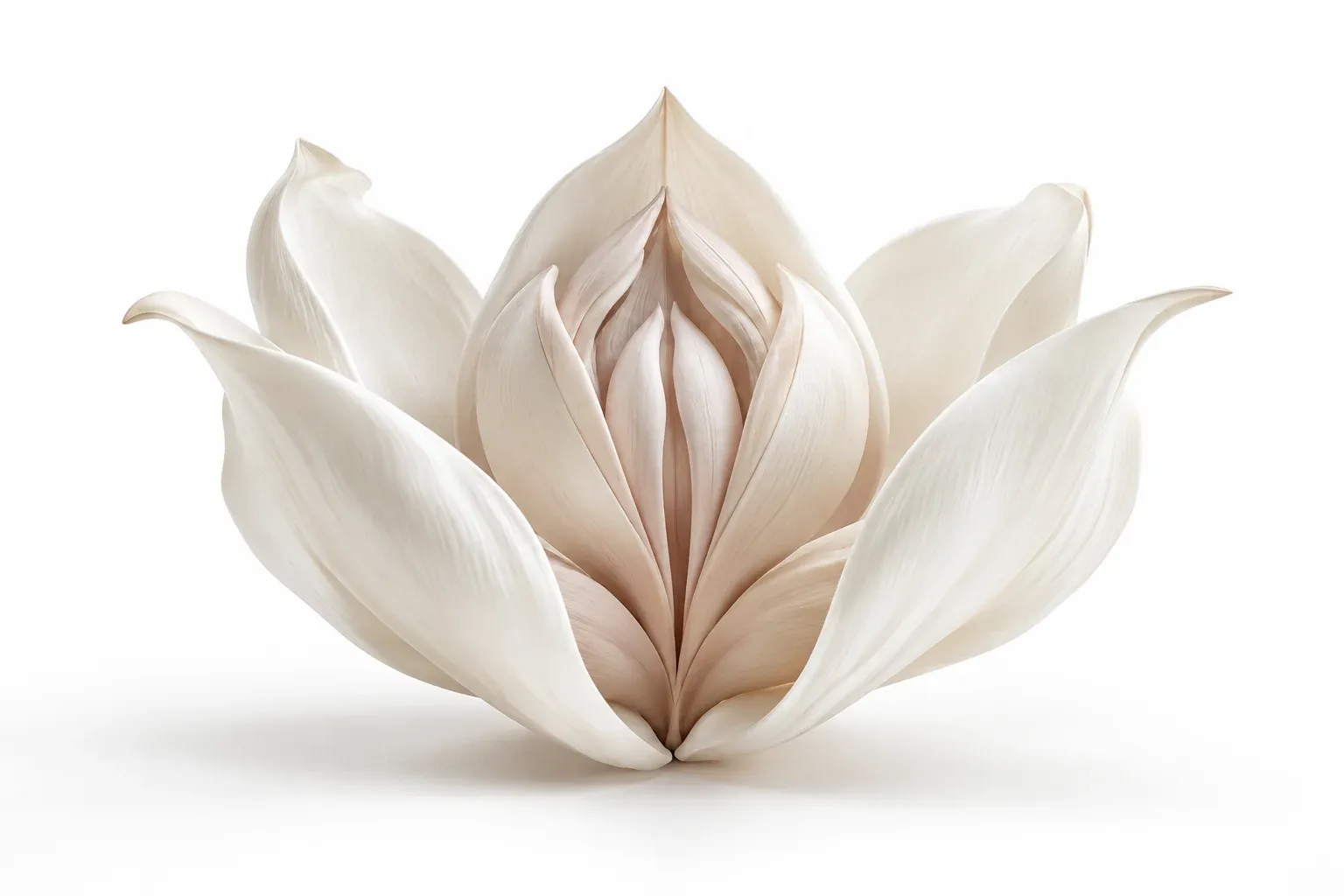
Differences between the two sides are completely normal as well. Genetic predisposition, hormonal changes, pregnancies, childbirth and ageing processes can further influence the anatomy.
Some changes are perceived mainly aesthetically. Others can cause friction, pressure, or functional discomfort during sport, cycling, wearing tight clothing, or intimacy.
A labiaplasty makes it possible to change the shape and size of the labia minora in a targeted way. This is not about removing as much tissue as possible, or conforming to a particular idea of intimate aesthetics. It is one of several procedures that fall under female intimate surgery, alongside treatments addressing the labia majora or changes following pregnancy and childbirth.
At Clinic Selnau in Zürich, individual anatomy is the primary focus.
Our Approach
There is no ideal shape for the labia minora.
Size, length, contour, pigmentation and symmetry show great natural diversity.
For this reason, a labiaplasty does not begin with the question of how labia should look. What matters is what concerns you, whether functional discomfort exists, and what change you would like.
We do not consider the labia minora in isolation. Their relationship to the labia majora and the adjacent anatomical structures is included in planning.
As much natural anatomy as possible should be preserved. A good labiaplasty does not remove as much tissue as possible — it changes only as much as is meaningful for function, proportion, and the desired result.
Aesthetic & Functional Reasons
A labiaplasty may be considered for different reasons.
These include, for example:
- Enlarged labia minora
- Significant differences between the two sides
- Mechanical friction
- A feeling of pressure in tight clothing
- Discomfort during sport
- Discomfort while cycling
- Discomfort during intimacy
- Changes following pregnancy or childbirth
- Age-related changes
- Irregular contours
- Changes following a previous procedure
Not every anatomical feature requires surgery. During consultation, we therefore distinguish between natural anatomical variation and changes where treatment can genuinely make sense.
Planning & Analysis
Careful planning is especially important for a labiaplasty.
We assess the shape, length, tissue distribution and symmetry of the labia minora, as well as their relationship to adjacent structures. We consider both the area that concerns you and the structures that should deliberately be preserved.
Where changes to the labia majora also exist, these are considered as well. Depending on the starting point, a labia majora correction can additionally make sense.
Previous pregnancies, births, or operations can also be relevant to planning. On this basis, we determine which form of correction suits your existing anatomy.
The Procedure
In a labiaplasty, excess or disruptive tissue of the labia minora is reduced and reshaped in a targeted way.
How much tissue is removed, and where the incision runs, depends on individual anatomy. Shape, tissue thickness, the natural edge structure, and symmetry need to be considered. Excessive reduction should be avoided — sufficient tissue needs to be preserved to maintain natural function, protection and mobility.
The wounds are closed with fine sutures. The scars sit within the natural anatomical structures and often become increasingly inconspicuous over time.
Which Technique Makes Sense?
Different surgical techniques are available for a labiaplasty.
In some situations, excess tissue can be reduced along the free edge. In others, a technique may be more appropriate in which a defined section of tissue is removed while preserving a larger portion of the natural edge structure.
The techniques differ in which parts of the labia are reduced or preserved. No technique is inherently the best — it is not the name of the technique that determines the quality of a labiaplasty, but which method suits the existing anatomy and the desired result.
How Much Should the Labia Be Reduced?
The aim of a labiaplasty is not maximum reduction.
Excessive removal of tissue can change natural proportions and cause functional problems. For this reason, it is determined before surgery which areas actually concern you, and which portions of tissue should be preserved.
The relationship between the labia minora and labia majora also plays a role. For some patients, a moderate correction can already be sufficient to reduce discomfort or achieve the desired proportions.
Symmetry
The labia minora are often naturally different in size and shape.
A labiaplasty can reduce pronounced asymmetries. Complete symmetry, however, cannot be guaranteed and is not anatomically a necessary goal. Differences in tissue, healing, and scar development can remain after surgery.
The aim is not geometric equality. It is a more balanced shape that preserves natural anatomy.
Labia Minora & Labia Majora
Not every change perceived as disruptive affects the labia minora alone.
The labia majora, too, can lose volume, develop excess skin, or change asymmetrically. For this reason, we consider both structures together. Where mainly the labia minora are affected, a labiaplasty is the primary focus. Where changes to the labia majora also exist, a labia majora correction can be discussed.
Both treatments pursue different goals and do not need to be automatically combined.
Following Pregnancy & Childbirth
Pregnancy and childbirth can change the shape and tissue of the intimate area.
Labia can change in shape or size, existing asymmetries can become more pronounced, and scars following birth injuries can cause additional discomfort. Where several changes exist at the same time, an isolated labiaplasty cannot always address all concerns.
In these situations, a more comprehensive assessment as part of intimate surgery following pregnancy & childbirth can make sense. This first distinguishes which changes can actually be improved through a surgical procedure.
Correction Following a Previous Labiaplasty
Following a previous procedure, asymmetries, irregular contours, scars, or excessive or insufficient tissue reduction can exist.
A further operation is often more demanding than a first procedure. The available tissue can be limited, and the anatomy is altered by scars. For this reason, it is first precisely assessed which structures remain, and what correction is realistically possible.
Not every small irregularity should be operated on again. Particularly following excessive tissue reduction, the possibilities for full restoration can be limited.
Function Before Maximum Reduction
The labia minora fulfil natural protective and tissue functions. These need to be considered in every operation.
An aesthetic change, therefore, must not be planned separately from function. Sensation, mobility, and sufficient tissue should be preserved.
The aim of a labiaplasty is not as little tissue as possible. It is the right balance between the desired change and preserving natural function.
Healing & Results
Following a labiaplasty, swelling and mild bruising are normal at first.
Particularly in the first few days, the region can appear noticeably more swollen than the later result. Swelling gradually decreases.
During the early healing phase, friction and greater pressure on the operated region should be avoided. Sport, cycling, and sexual activity need to be paused for an appropriate period.
The exact duration depends on the healing process and is discussed individually. Small asymmetries or irregularities, too, can occur during early healing due to differing swelling. The final result should therefore only be assessed once the tissue has fully settled.
Long-Term Changes
The result of a labiaplasty can be long-term stable.
The tissue, however, remains subject to natural changes. Ageing, hormonal influences, pregnancies and childbirth can influence shape and tissue quality again. These factors are considered during planning.
Consultation
A labiaplasty is a very personal decision.
During your consultation at Clinic Selnau in Zürich, you can openly discuss what concerns you, whether functional discomfort exists, and what change you would like.
We assess your individual anatomy and explain which form of labiaplasty can make sense. We also consider the labia majora and, where relevant, discuss a labia majora correction.
Where your concerns arose in connection with pregnancy or childbirth, a more comprehensive assessment as part of intimate surgery following pregnancy & childbirth can make sense.
We discuss surgical technique, scars, the healing process, and the limitations and risks of treatment. The aim is not a standardised shape. It is to implement a desired change so that your natural anatomy, sensation and function are respected.