

Body Contouring
Refining body proportions by addressing areas of excess skin and tissue to create more balanced and natural contours.
Body contours change over the course of life.
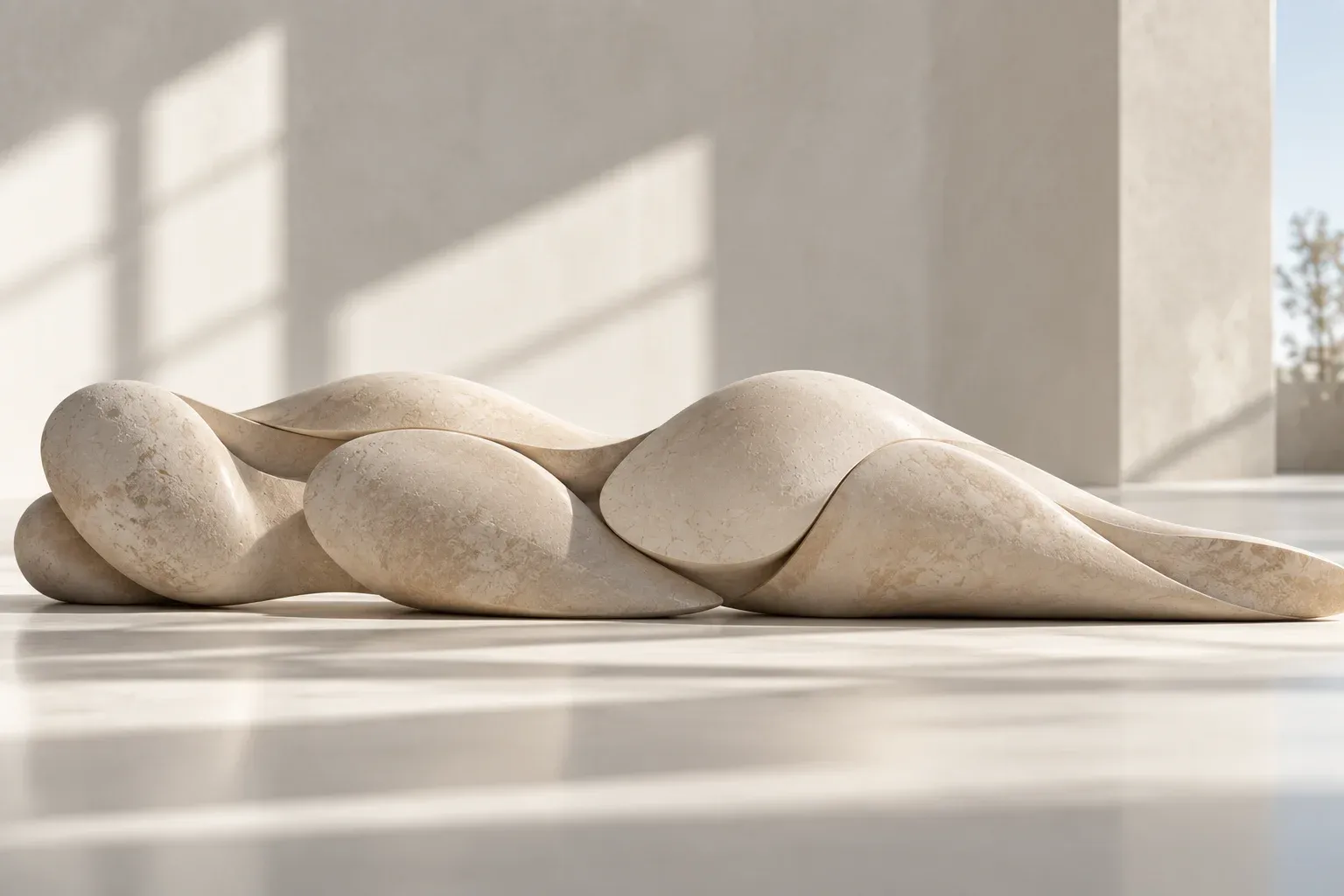
Weight changes, pregnancies, ageing, and individual tissue quality can cause skin to lose elasticity, tissue to descend, or localised fat deposits to persist that can only be influenced to a limited extent through diet and exercise.
Body contouring, therefore, does not describe a single procedure.
It encompasses different surgical techniques with which skin, fat tissue and body contours can be treated according to the individual starting point.
These include, in particular, liposuction, abdominoplasty, arm lift, and thigh lift. Depending on the starting point, individual techniques can be used, or several treatments can meaningfully be combined.
At Clinic Selnau in Zürich, planning begins with the question of which anatomical structure is responsible for the desired change. Only afterwards is it decided which technique, or combination of techniques, makes sense.
Our Approach
Every body is different.
Body build, skin quality, fat distribution, muscle, and individual tissue elasticity together determine the contours.
For this reason, body contouring does not begin with a particular operation.
We first consider what concerns you, and what has caused this change.
Excess skin requires a different treatment than a localised fat deposit. Lax tissue, in turn, can require a different surgical strategy than a pure change in body volume.
The transitions between individual body regions are equally important. The abdomen, waist, hips, back, upper arms and thighs are therefore not considered completely in isolation from one another.
The aim is not maximum tightening or the narrowest possible silhouette. It is to change contours and proportions so that they fit the existing body build.
Skin, Fat & Tissue
Similar changes in body contour can have different causes.
A more pronounced abdomen, for example, can result from localised fat tissue, excess skin, a changed abdominal wall, or a combination of these factors.
On the upper arms or thighs, too, the contour can be influenced by fat tissue, excess skin, or decreasing tissue tension.
These differences are decisive for the choice of treatment.
Body contouring may be considered for changes including:
- Excess or lax skin
- Localised fat deposits
- Changes following significant weight loss
- Changes following pregnancy
- Loss of clear body contours
- Excess skin and tissue on the abdomen
- Changes to the waist and hips
- Excess skin on the upper arms
- Excess skin on the thighs
- Changes to the back and flanks
- Asymmetric body contours
- Combinations of excess skin and localised fat tissue
Not every one of these changes is treated with the same technique. For this reason, the anatomical cause always comes before the choice of procedure.
Planning & Analysis
A careful analysis forms the basis of body contouring.
During consultation, we assess the affected body regions in relation to overall body proportions.
We consider skin quality, excess skin, fat distribution, and tissue tension.
For changes to the abdomen, we additionally assess whether the underlying abdominal wall, alongside skin and fat, also plays a role.
For the upper arms and thighs, it is particularly important how well the skin can still retract following a reduction in underlying volume.
Weight development, previous pregnancies, existing scars and prior operations are also included in planning.
Weight stability is another important factor. Particularly following significant weight loss, body weight should ideally be stable before more extensive lifting procedures are planned.
On this basis, we decide whether liposuction, abdominoplasty, arm lift, thigh lift, or a combination of different techniques makes sense.
Which Treatments Belong to Body Contouring?
Body contouring is an overarching treatment concept. Which treatment makes sense depends on whether fat tissue, excess skin, or changes to deeper structures are responsible for the body contour.
Liposuction
Liposuction serves to remove localised fat deposits in a targeted way. It is particularly suited to situations where the skin is sufficiently elastic and can adapt to the new contour following a reduction in underlying volume. Typical treatment areas include the abdomen, waist, flanks, hips, upper arms and thighs, among others. Liposuction, however, is not a method for treating pronounced excess skin. Where the skin has significantly lost its elasticity, a lifting procedure can be the more suitable treatment.
Abdominoplasty
An abdominoplasty can make sense where excess skin and lax tissue exist in the abdominal area. Depending on the starting point, localised fat deposits can be treated at the same time. Changes to the underlying abdominal wall, such as rectus diastasis following pregnancy, too, can be considered during planning. Where excess skin and localised fat deposits exist at the same time, the abdominoplasty can be combined with liposuction.
Arm Lift
An arm lift treats excess or lax skin in the area of the upper arms. It is particularly considered following significant weight loss or with pronounced loss of skin elasticity. Where mainly localised fat tissue is present, and the skin can be expected to retract sufficiently, liposuction alone can make sense. With a combination of fat and excess skin, both techniques can be combined. Which treatment is suitable therefore depends significantly on skin quality and the extent of existing excess skin.
Thigh Lift
A thigh lift makes it possible to reduce excess skin and lax tissue on the thighs and reshape the contour. Particularly following significant weight loss, previously stretched skin can remain despite reduced fat volume. Here too, a distinction must be made between localised fat tissue and genuine excess skin. With good skin elasticity, liposuction may be sufficient. With pronounced skin laxity, however, a thigh lift can be necessary. Depending on the starting point, both techniques can be combined.
Liposuction or Lift?
One of the most important questions in body contouring is whether mainly fat tissue or excess skin needs to be treated.
With localised, limited fat deposits and good skin elasticity, liposuction may be sufficient. Where relevant excess skin is present, however, liposuction alone cannot remove the skin. In certain situations, reducing the underlying fat volume can even make existing excess skin more visible.
In this case, a lifting procedure can be the more suitable treatment. At the abdomen, this can be an abdominoplasty; on the arms, an arm lift; and on the legs, a thigh lift.
Fat and skin excess often exist at the same time. In these cases, liposuction and lifting can be combined.
It is not the visible volume alone that determines treatment. What matters is whether skin, fat tissue, or both are changing the contour.
Abdomen, Waist & Flanks
The contour of the torso results from the interplay of the abdomen, waist, hips and flanks.
For this reason, we do not consider these areas completely in isolation from one another. Treating the abdomen alone, for example, can have a different effect than a plan that also considers the transitions to the waist and flanks at the same time.
With localised fat tissue, liposuction can be used to change these transitions in a targeted way. Where excess skin is also present on the abdomen, an abdominoplasty can be necessary. In selected situations, both techniques can be combined.
Treatment is therefore planned not just for a single problem area, but for the entire contour of the torso.
Upper Arms & Thighs
On the arms and legs, too, skin quality significantly determines which treatment makes sense.
Where mainly localised fat tissue is present, and the skin has good elasticity, liposuction can refine the contour. Where the skin has significantly lost its capacity to retract, however, liposuction alone may not be sufficient. On the arms, an arm lift can then be appropriate; on the legs, a thigh lift.
Particularly following significant weight loss, both skin and tissue excess often exist together. In these situations, the affected regions are assessed together and, where appropriate, integrated into a more comprehensive body contouring concept.
Body Contouring Following Weight Loss
Following significant weight reduction, body volume can change substantially while the skin does not fully retract.
This can create excess skin and tissue in several regions at the same time. Commonly affected areas include the abdomen, hips, back, upper arms, thighs and breast.
In these situations, it is less about further reducing volume, and more about reshaping and removing excess skin. Depending on the affected region, an abdominoplasty, arm lift, or thigh lift can make sense. Where localised fat deposits also exist, liposuction can be used in addition.
Not all regions need to, or should, be treated at the same time. With more extensive changes, it can make sense to stage several procedures over time. This involves determining which regions have the greatest impact on body contour or daily life, and which treatments can safely be combined.
Body Contouring Following Pregnancy
Pregnancies can change the abdomen, breast, and body contours in different ways.
At the abdomen, excess skin, changed fat distribution, and changes to the abdominal wall can be present. Where mainly localised fat deposits exist, liposuction may be considered. Where relevant excess skin or changes to the abdominal wall are present, an abdominoplasty can be more appropriate. Both techniques can, depending on the starting point, be combined.
Breast volume and shape, too, can change following pregnancy and breastfeeding. Where several of these changes are to be treated at the same time, a breast lift / mastopexy, breast augmentation, or other techniques can, depending on the starting point, form part of a more comprehensive treatment concept.
What matters is not performing as many procedures as possible at once. The combination needs to be medically sensible and allow for a safe healing process.
Treating Several Regions at the Same Time
Body contouring can involve a single body region, or combine several areas.
Liposuction, for example, can be combined with an abdominoplasty, arm lift, or thigh lift where fat tissue and excess skin need to be treated at the same time. Several lifting procedures, too, can generally form part of a joint treatment concept.
Whether procedures should be performed at the same time, however, depends on the individual extent of surgery. Operation duration, wound area, thrombosis risk, and the requirements for postoperative mobilisation need to be considered.
With more extensive changes, treatment in several steps can therefore be more appropriate. The aim is not to treat as much as possible in one operation. What matters is a treatment concept that considers proportions, safety and healing together.
Scars & Body Contour
Lifting procedures require skin incisions and leave scars.
Where these are located, and how long they need to be, depends on the amount and position of the excess skin to be removed.
In an abdominoplasty, the scar is positioned as low as possible on the lower abdomen. In an arm lift, its position and length are guided by the extent of excess skin on the upper arm. In a thigh lift, the scar can, depending on the starting point, run within the groin, or additionally along the inner thigh.
A more significant skin reduction cannot be achieved through arbitrarily small approaches. For this reason, scar placement is part of body contouring planning from the very beginning. The wish for scars to be as short as possible is weighed against the necessary change to body contour.
Contour, Not Clothing Size
Body contouring is not a method for general weight reduction.
Liposuction can reduce localised fat deposits. An abdominoplasty, arm lift, or thigh lift can remove excess skin and reshape the respective body region. None of these treatments, however, replaces weight loss.
The goal, therefore, is not defined by a particular number on the scale or a clothing size. What matters is the proportions of the body and the transitions between individual regions.
Successful body contouring does not change as much as possible. It treats, in a targeted way, the structures that are disrupting a balanced body contour.
Healing & Results
The healing phase depends significantly on which body regions and which techniques are treated.
After liposuction, swelling and bruising are the primary concern at first. After an abdominoplasty, arm lift, or thigh lift, wound healing and scar development are additionally involved.
With combined or more extensive procedures, the recovery phase can be correspondingly longer. Compression garments can be part of aftercare, depending on the procedure.
The final contours cannot be assessed immediately after surgery. Swelling gradually subsides, and skin and tissue need time to adapt to the changed shape. Scars, too, develop over several months.
Long-Term Changes
Body contouring can change body contours long-term, but does not stop the natural ageing process.
Weight fluctuations, pregnancies, and changes in skin elasticity can influence the result over time.
In a liposuction, fat cells are removed from the treated region. The remaining fat tissue, however, can still enlarge with weight gain. Following an abdominoplasty, arm lift, or thigh lift, too, skin and tissue continue to be subject to ageing and gravity.
As stable a body weight as possible, therefore, supports the long-term stability of the result.
Consultation
Body contouring begins with the question of which structure is actually changing your body contour.
During your consultation at Clinic Selnau in Zürich, we assess skin quality, excess skin, fat distribution, and tissue tension, as well as the relationship of the affected regions to the rest of the body.
We discuss which changes concern you, and which body regions are the primary focus for you.
On this basis, we assess whether liposuction, abdominoplasty, arm lift, thigh lift, or a combination of different techniques makes sense.
Where several regions are affected, we discuss which procedures can safely be combined, and when treatment in several steps makes more sense.
We speak openly about scars, the healing process, possible limitations and risks, and what changes can realistically be achieved.
The aim is not to shape the body according to a predetermined ideal. It is to treat skin, fat tissue and contours exactly where they are changing the proportions, and to create a balanced overall picture from this.