

Biostimulators
Stimulating the skin’s natural regenerative processes to support collagen production, improve tissue quality and restore firmness over time.
Skin ageing does not only mean volume loss.
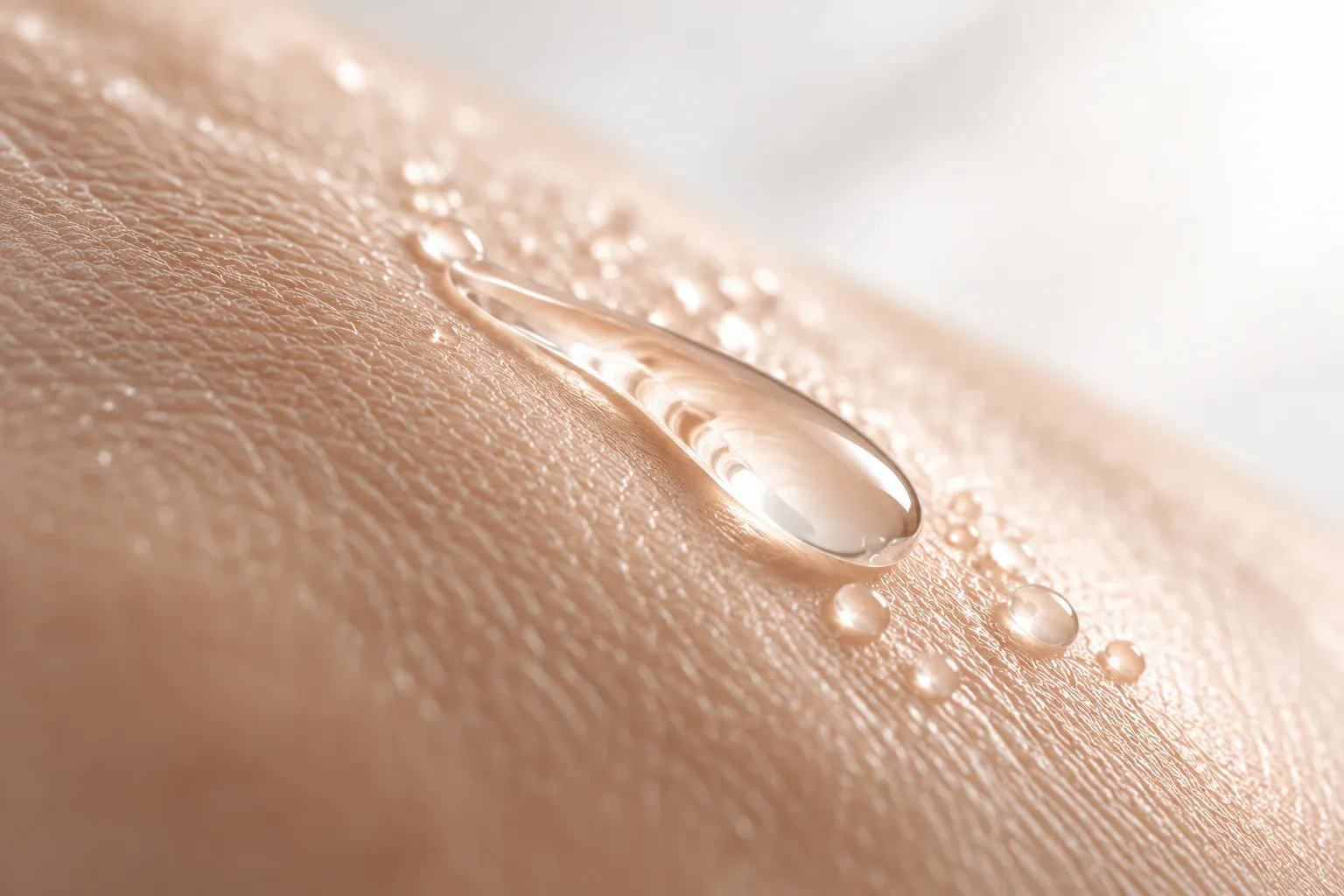
Over time, collagen structure, elasticity, skin thickness, and the quality of connective tissue also change. Skin can become thinner, less firm, and structurally different.
Biostimulating treatments address these changes directly.
Rather than focusing exclusively on adding immediate volume, they are designed to support regenerative processes within the tissue and, depending on the treatment, stimulate collagen production or improve tissue quality.
With many of these treatments, the result therefore develops gradually.
At Clinic Selnau in Zürich, we select the treatment according to skin quality, tissue structure, treatment area, and the desired result.
Our Approach
Biostimulation is not a single product or a standardised treatment.
Different substances and autologous techniques work in different ways. Some focus more strongly on collagen formation and structural support. Others concentrate on hydration, skin quality, or regenerative processes.
For this reason, treatment does not begin with choosing a particular product name.
We first assess skin quality, tissue thickness, elasticity, volume distribution, and the anatomical region. Only afterward do we determine which treatment concept makes sense.
The product does not determine the treatment. Tissue quality and the desired result determine which form of biostimulation is appropriate.
Our Biostimulating Treatments
Several biostimulating products are available, each with a different mechanism, texture and duration. The selection is made during consultation, based on skin quality, the area being treated and the result you are aiming for.
Radiesse
Calcium hydroxylapatite for firmness, tissue quality and structural support
Sculptra
Poly-L-lactic acid for gradual collagen stimulation and volume restoration
HArmonyCa
A hybrid of hyaluronic acid and calcium hydroxylapatite for immediate structural support combined with longer-term collagen stimulation
Profhilo
A hyaluronic acid-based treatment focused on hydration, elasticity and skin quality
Polynucleotides
Regenerative treatment focused on skin and tissue quality
PRP (Platelet-Rich Plasma)
Derived from the patient's own blood to support regenerative processes in the skin and selected forms of hair loss
PRF (Platelet-Rich Fibrin)
Platelet-rich fibrin derived from the patient's own blood for regenerative treatments and selected applications in the face
What Does Biostimulation Mean?
Biostimulation describes treatments designed to support regenerative processes within the skin and underlying tissues.
Depending on the treatment, collagen production or remodelling may be stimulated, or tissue quality may be influenced through other biological mechanisms.
Unlike a conventional filler treatment, the primary objective is therefore often not an immediately visible increase in volume. Instead, the result increasingly develops through the biological response of the patient's own tissue.
However, the different treatments vary considerably. Some products also have structural or volumising properties.
Biostimulation or Volume?
This distinction is fundamental to treatment planning.
A dermal filler is primarily used when volume needs to be restored, a contour supported, or a particular proportion changed.
Biostimulating treatments focus more strongly on tissue quality and regenerative processes.
Some products, such as HArmonyCa or Radiesse, have both structural and biostimulating properties. Sculptra can also create a visible change in volume over time.
The boundaries are therefore not absolute. Nevertheless, every treatment should begin with a clear understanding of the primary objective.
If volume is missing, volume should be addressed. If tissue quality is the primary concern, simply adding more volume is not automatically the right answer.
Radiesse
Radiesse is based on calcium hydroxylapatite, or CaHA.
The product has both structural and biostimulating properties. Depending on the treatment area, dilution, and injection technique, the emphasis can vary.
In more diluted treatment protocols, improving skin and tissue quality may be the primary objective. In other applications, additional structural support may be desired.
Radiesse is not suitable for every anatomical region. Indication, concentration, and injection depth are therefore determined individually.
Sculptra
Sculptra is based on poly-L-lactic acid, or PLLA.
Unlike a conventional hyaluronic acid filler, its purpose is not primarily to create an immediate and permanently visible filling effect.
The treatment stimulates processes within the tissue through which collagen structure and volume can gradually change. The result therefore develops over weeks and months.
Sculptra can be particularly relevant when a broader improvement in tissue quality and gradual restoration of volume are desired. Depending on the individual starting point, several treatment sessions may be appropriate.
HArmonyCa
HArmonyCa combines two different treatment principles.
The hyaluronic acid component provides a more immediate structural effect, while calcium hydroxylapatite adds biostimulating properties.
HArmonyCa therefore sits between conventional volume restoration and biostimulation.
The treatment may be appropriate when both immediate tissue support and a longer-term improvement in tissue quality are desired. Anatomy, skin quality, and treatment area determine whether a hybrid product is the appropriate choice.
Profhilo
Profhilo is based on hyaluronic acid but is used with a different treatment goal than a conventional volumising dermal filler.
The focus is on hydration and the quality of the tissue.
The treatment can be particularly relevant when the priority is to improve skin quality rather than change contours or volume.
Profhilo, therefore, does not replace a conventional filler when actual volume or a defined contour needs to be built up. Nor can the treatment correct pronounced tissue laxity.
Polynucleotides
Polynucleotides are used within regenerative treatment concepts to support biological processes within the skin.
The focus is less on volume and contour than on skin and tissue quality.
Depending on the starting situation, polynucleotides can be particularly relevant for regions where a subtle regenerative treatment is desired.
They are not intended to replace significant volume deficits. Nor can significantly descended tissue be repositioned through polynucleotides.
PRP (Platelet-Rich Plasma)
PRP stands for Platelet-Rich Plasma.
A small amount of the patient's own blood is drawn and processed so that a plasma fraction with an increased concentration of platelets is obtained.
The growth factors contained within this preparation are used as part of regenerative treatment concepts.
In the face, PRP can be used when skin quality and regeneration are the primary objectives.
A further application is the treatment of selected forms of hair loss. Here, PRP can be used to support existing hair follicles and the local regenerative environment.
Because it uses autologous material, PRP is fundamentally different from manufactured injectable biostimulators.
PRF (Platelet-Rich Fibrin)
PRF stands for Platelet-Rich Fibrin.
Like PRP, it is derived from the patient's own blood.
A different preparation process creates a fibrin-rich matrix in which platelets and other cellular components may be embedded. This gives PRF a different biological structure from conventional PRP.
PRF can be used for regenerative skin treatments and, in selected cases, for subtle structural changes. This can be particularly interesting in anatomically sensitive areas where a pronounced volume correction is not desired.
PRF should not, however, be considered equivalent to a conventional dermal filler. Any volumising effect is more subtle and less precisely controllable than with a specifically volumising hyaluronic acid filler.
Which Treatment Suits Which Goal?
The different treatments are not different levels of quality. They perform different functions.
Radiesse is particularly suited to biostimulation, firmness and structural support. Sculptra provides gradual collagen stimulation and volume restoration. HArmonyCa combines a more immediate structural effect with longer-term biostimulation. Profhilo focuses more strongly on hydration, elasticity and skin quality. Polynucleotides are used in regenerative treatment concepts where skin and tissue quality are the priority. PRP uses components of the patient's own blood to support regenerative processes and can also be used in selected forms of hair loss. PRF also follows an autologous regenerative approach and may be considered for selected applications in the face.
None of these treatments is inherently the best. The key question is whether the primary objective is volume, structure, firmness, hydration, skin quality, or regeneration.
Face
In the face, it is important to distinguish between changes in skin quality, volume loss, and tissue descent.
These changes can occur simultaneously, but they do not necessarily require the same treatment.
Biostimulation can be appropriate when the aim is to improve tissue quality and firmness. If there is clear volume loss or a contour needs to be specifically changed, dermal fillers or facial fat transfer may be more suitable.
When tissue laxity is more pronounced, a facelift may be the anatomically more appropriate treatment.
Neck & Décolleté
The neck and décolleté differ anatomically from the face.
The skin can be thinner, making changes in quality particularly visible. Selected biostimulating treatments can be used to support tissue quality. The appropriate product depends on skin thickness, tissue quality, and treatment objective.
If there is pronounced skin or tissue laxity of the neck, a neck lift may provide a more appropriate structural solution.
Eye Area
The skin around the eyes is particularly thin and anatomically demanding.
Not every biostimulating product is suitable for this region. When skin quality is the primary concern, selected regenerative treatments such as polynucleotides or autologous approaches may be considered.
For pronounced under-eye bags, excess skin, or structural changes, an upper eyelid lift or lower eyelid lift may be the more appropriate anatomical treatment.
Hair
PRP can also be used outside conventional facial treatments.
For selected forms of hair loss, platelet-rich plasma can be introduced into the scalp to support existing hair follicles and the local regenerative environment.
Before treatment, it is important to establish the type of hair loss present. Not every form of hair loss can be meaningfully treated with PRP.
New, pronounced, or unexplained hair loss may therefore require appropriate medical assessment before treatment.
Biostimulators or Dermal Fillers?
Dermal fillers are particularly suited to targeted volume restoration and contouring.
Biostimulating treatments focus more strongly on biological processes and the quality of the tissue.
This does not mean that one treatment is inherently more natural than the other. A natural result comes from choosing the right indication.
If volume is missing, a precisely placed filler may be the appropriate treatment. If changes in skin and tissue quality are the primary concern, biostimulation may be more suitable.
In selected situations, both approaches can be combined.
Biostimulators or Botulinum Toxin?
Botulinum toxin influences the activity of selected muscles.
Biostimulating treatments, by contrast, act on the skin or underlying tissue and pursue a different treatment objective.
A dynamic forehead line therefore requires a different approach from declining skin quality.
Both treatments perform different functions and can form part of a shared treatment concept when appropriately indicated.
Biostimulators or Microneedling?
Microneedling also uses the body's own regenerative processes. The mechanism, however, is different.
With microneedling, a controlled mechanical stimulus is created through fine micro-channels.
With injectable biostimulators, selected substances are introduced directly into the tissue. PRP and PRF, in turn, use processed components of the patient's own blood.
Which treatment is more suitable depends on skin structure, treatment area, and the desired result.
Biostimulators or Laser Skin Resurfacing?
Laser skin resurfacing treats defined skin layers with targeted energy and can be particularly useful for structural skin changes, fine lines, and signs of photoageing.
Biostimulating treatments follow a different regenerative approach.
Both can address aspects of skin quality, but they act at different levels and through different mechanisms.
Depending on the individual situation, they may be used as alternatives or as part of a carefully timed treatment concept.
When Is Biostimulation Not Enough?
Not every age-related change can be corrected by improving tissue quality.
When tissues have significantly descended, substantial excess skin is present, or anatomical structures have changed considerably, biostimulation has clear limitations.
Additional volume or regenerative injections should not be used to compensate indefinitely for a structural or surgical indication.
In these situations, a facelift, neck lift, upper eyelid lift, or lower eyelid lift may be anatomically more appropriate.
Biostimulation can improve tissue quality. It cannot return significantly descended tissue to its original position.
When Will I See the Result?
Biostimulating treatments often require time.
Depending on the product used, an immediate change may already be visible after treatment. The regenerative component, however, develops gradually.
Collagen remodelling and other biological processes take place over weeks and months.
With PRP and PRF, the result also does not develop immediately through a defined filling volume, but develops within the biological reaction of the tissue.
The outcome should therefore not be judged solely on the first few days after treatment.
How Many Treatments Are Needed?
The number of sessions depends on the treatment, skin condition, area, and desired result.
For some treatment concepts, a single session may be sufficient. Other treatments are intentionally designed as a series.
Maintenance treatments may also be appropriate over time.
There is no fixed protocol that applies to every patient. The further treatment plan is guided by the individual response of the tissue.
The Treatment
Before treatment, we assess skin quality, tissue structure, and the relevant anatomical region.
The appropriate product or procedure, amount, treatment depth, and technique are then determined.
With Radiesse, Sculptra, HArmonyCa, Profhilo, and polynucleotides, the selected product is precisely introduced into the appropriate tissue layers.
With PRP and PRF, treatment begins with a blood draw followed by preparation of the patient's own material.
The treatment itself is then performed according to the selected procedure and anatomical region.
After Treatment
Temporary redness, swelling, tenderness, or small bruises may occur after injectable biostimulating treatments.
Additional aftercare recommendations may be required depending on the procedure.
The immediate appearance does not necessarily represent the eventual result. The regenerative changes develop progressively over time.
Safety
Biostimulating injection treatments are medical treatments.
In addition to temporary local reactions, less common complications can occur. Depending on the product, these may include inflammatory reactions, palpable or visible nodules, and other unwanted tissue responses.
Vascular anatomy must also be considered with injectable treatments.
An important distinction from hyaluronic acid fillers is that not every biostimulating product can simply be dissolved with hyaluronidase if an unwanted effect occurs.
A clear indication, appropriate product selection, and precise injection technique are therefore particularly important.
Natural Results & Long-Term Planning
Biostimulation is often associated with particularly natural results.
The correct indication, however, remains essential.
A regenerative treatment can be appropriate when the existing anatomy should largely remain unchanged and the primary aim is to improve tissue quality.
It should not be used to address every age-related change through an ever-increasing number of injections.
A natural result does not come from calling a treatment regenerative. It comes from treating the right structure with the right method.
A Long-Term Treatment Concept
Skin and soft tissues continue to change over time.
Biostimulating treatments can influence these processes, but they cannot stop them permanently.
Sun exposure, ageing, lifestyle, and individual predisposition continue to affect the skin.
Biostimulation can therefore form part of a long-term treatment concept alongside appropriate skincare, medical cosmetics, or selected skin & laser treatments.
This does not mean that every treatment needs to be combined. The skin and tissues should be reassessed over time and treatment adapted to their current condition.
Consultation
During a personal consultation at Clinic Selnau in Zürich, we assess skin quality, tissue structure, volume distribution, and the anatomical region to be treated.
We discuss the change you would like to achieve and which regenerative treatment concept may be appropriate.
Depending on the indication, we select between Radiesse, Sculptra, HArmonyCa, Profhilo, polynucleotides, PRP, and PRF.
If volume is primarily missing, or a contour needs to be specifically changed, a dermal filler may be more suitable. If muscle activity is the primary concern, botulinum toxin may be the more appropriate treatment. For more superficial skin changes, microneedling, medical cosmetics, or laser skin resurfacing may offer different options.
Where significant tissue laxity is present, we also discuss the limitations of non-surgical treatments.
The goal is not to use a particular product. It is to understand what change is present in the tissue, and to select the treatment that can address it as precisely as possible.