

SKIN & LASER · CLINIC SELNAU
What can laser really do — and what can't it do?
Laser technology can target skin quality, pigmentation, unwanted hair or tattoos — but not every skin concern needs a laser. The right technology, the right indication and realistic expectations all matter. A closer look at the possibilities and limitations of modern laser treatments.
"Laser" isn't a single treatment. It's an umbrella term for a range of different technologies built on entirely different physical principles. A laser designed to remove hair works fundamentally differently from one that fades a tattoo, and differently again from one treating pigmentation or visible blood vessels. Grouping them all under the same word leaves the public with a distorted picture of what a laser can actually achieve — and what it can't.
This confusion is often amplified by the beauty industry, with promises that go well beyond what's physically or medically justified. A realistic understanding of laser treatments, then, doesn't start with "which laser is best?" It starts with what's actually being treated — and which technology is physically suited to that.
Why Different Lasers Target Different Structures
Most lasers used in skin treatment work on the principle of selective photothermolysis — they target a specific pigment in the tissue, known as a chromophore, and convert light energy into heat at exactly that point, without significantly affecting the surrounding tissue. Which chromophore is targeted depends on the laser's wavelength.
For hair removal, the target chromophore is melanin in the hair follicle. For treating blood vessels or redness, it's hemoglobin in the blood. For pigmentation, it's melanin again, but in the skin itself rather than the follicle. For tattoo removal, it's the ink's color pigments. These different targets require different wavelengths, pulse durations, and energy densities — a device optimized for one indication is often unsuitable, or even risky, for another. More energy doesn't automatically mean a better result, either: too little can be ineffective, too much raises the risk of unwanted reactions. A good laser treatment, then, isn't the most powerful one — it's the most precise one for the particular target structure and skin type.
Laser Hair Removal: What's Realistically Achievable
Laser hair removal uses the melanin concentration in the hair follicle to selectively damage it and reduce future hair growth. Since hairs cycle through different growth phases and only follicles in the active growth phase respond to treatment, multiple sessions spaced several weeks apart are needed to reach the majority of follicles.
What's realistic is a significant, long-term reduction in hair density — not necessarily complete, permanent hair removal for every hair type and body region. Dark hair on lighter skin responds particularly well, since the contrast in melanin content between hair and surrounding skin is greatest there. Very light, gray, or red hair contains significantly less melanin and responds correspondingly less well, or not at all, to this technology — a limitation often left out of marketing.
Tattoo Removal: Why Not Every Ink Reacts the Same Way
Tattoo removal uses laser light to break the ink's color pigments into smaller fragments, which the body's own immune system can then break down. Different colors absorb different wavelengths to different degrees — black and dark colors are usually the most reliably treated, while certain light colors, particularly yellow, white, or light green, are significantly harder to remove and sometimes require multiple laser types or wavelengths.
Here too, multiple sessions spaced weeks apart are needed, since the fragmented pigments take time for the body to clear. Complete, residue-free removal can't be guaranteed in every case — particularly with older, deeper, or multi-colored tattoos, some visible remnant can persist.
Pigmentation and Vascular Changes
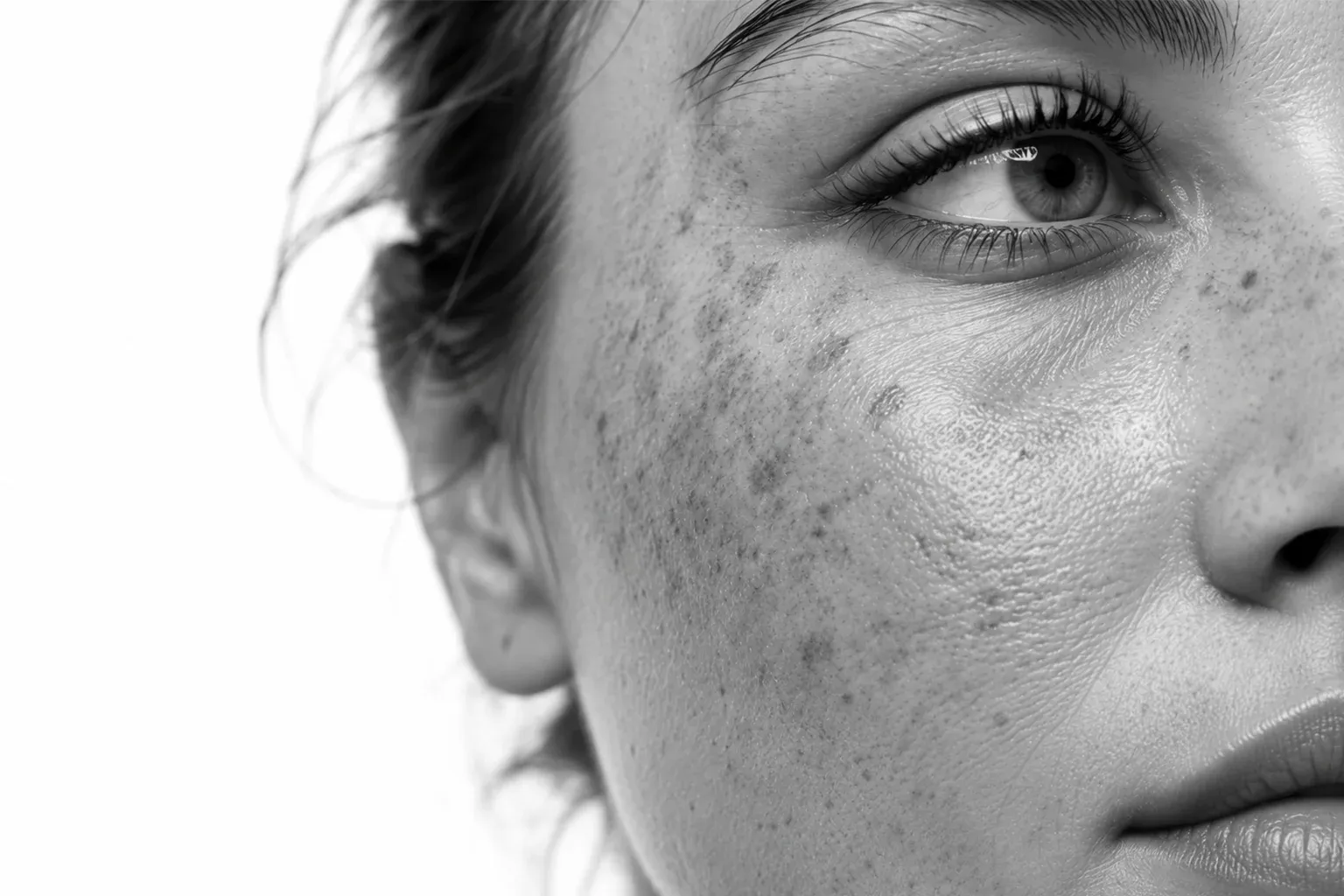
For pigmentation such as age spots or sun damage, treatment targets excess melanin in the skin, which the laser fragments and the body then clears. Effectiveness depends heavily on how deep the pigment sits and how it developed — superficial, sun-related pigmentation generally responds well, while certain deeper or hormonally driven pigment changes, such as melasma, are considerably more stubborn and can, in some cases, react paradoxically to laser treatment, with a risk of worsening rather than improving.
For vascular changes such as visible blood vessels or redness, treatment targets the hemoglobin in the affected vessel, which is closed off by the heat and subsequently broken down by the body. Smaller, superficial vessels generally respond well, while deeper or larger vessels sometimes require multiple treatments or alternative approaches.
Skin Quality and Resurfacing: What Laser Can Change About Skin Structure
For procedures aimed at improving skin structure — fine lines, uneven texture, enlarged pores, or certain scars — many modern lasers work fractionally: they treat only part of the skin's surface in a fine pattern of tiny treatment zones, leaving surrounding tissue untouched and speeding healing. This can stimulate collagen production and visibly refine the skin's surface over several months — enlarged pores, for instance, can appear less prominent as a result, even though a normal, biological feature of the skin can't be fully "removed," as filtered social media images often suggest.
What a procedure like this can't achieve is a structural change to facial anatomy. Laser and a facelift work on fundamentally different levels: depending on the technology, a laser can affect the skin's surface, pigmentation, texture, and certain signs of skin aging. A facelift, by contrast, addresses structural changes in deeper tissue as well as the contours of the face and neck. If the jawline has been lost to descended tissue, no laser can anatomically reposition that structure — and conversely, a facelift doesn't automatically improve pigmentation or overall skin texture. Both treatments can be worthwhile, but for different problems: skin quality and facial anatomy aren't the same thing.
Why Diagnosis and Device Selection Matter More Than the Brand Name
A common mistake in how many providers communicate is marketing a particular laser device as a universal solution for as many skin problems as possible. In reality, correct diagnosis is the first and most important step — a pigmented spot can be harmless sun damage, or, in rare cases, a sign of a change that needs medical attention and should be assessed by a specialist before a laser treatment is even considered.
Equally important is accounting for individual skin type and current sun exposure. Darker skin types contain more melanin in the surrounding skin itself, which, with the wrong wavelength or energy density, raises the risk of burns, pigment shifts, or scarring. For the same reason, recently tanned skin matters for certain procedures: it temporarily holds more pigment in the epidermis, which can alter energy absorption and increase the risk of unwanted reactions — which is why consistent sun protection before and after certain treatments is part of sound planning. An experienced practitioner, then, chooses device and settings not by indication alone, but by the combination of indication, skin type, current skin condition, and individual response.
Side Effects: A Medically Active Technology, Not a Harmless Beauty Ritual
Laser is a medically active technology and can, accordingly, cause unwanted effects. Depending on the procedure, temporary redness, swelling, a warm sensation, or crusting can occur. Certain treatments also carry risks such as pigment shifts, burns, blistering, or scarring. How high the individual risk is depends on the technology, the settings chosen, skin type, treatment area, and aftercare.
Precisely for this reason, laser shouldn't be treated as a completely risk-free beauty procedure. The same effect used therapeutically has to be applied under control — which underscores why diagnosis, device selection, and individual planning should carry more weight than the promise attached to a particular brand or technology.
What Laser Can't Achieve
Laser treatments are effective, well-studied tools for the indications they were developed for — but they aren't a substitute for structural procedures, and they can't solve every aesthetic concern. They can't lift a descended facial contour, remove excess skin, or reverse deep, structural changes to the face caused by aging, weight loss, or pregnancy. They can refine existing skin structure but can't produce fundamentally different skin than the underlying anatomy allows.
Stating these limits openly, rather than hiding them behind vague marketing promises, is part of sound consultation — as is the willingness to advise against a treatment when the concern in question isn't a suitable laser indication, when skin condition raises the risk, or when a necessary medical evaluation is still outstanding. Sometimes the right answer to which technology fits is simply: none, for now.
Conclusion
"Laser" doesn't describe a single treatment, but a group of technologies, each with its own physical principles, suitable indications, and limits. What a laser can achieve depends on correct diagnosis, the right device, individual skin type, and realistic expectations — not on a device's brand name, the strength of its setting, or a blanket promise. Treating laser seriously means being just as clear about what it can do as about what falls outside its reach — and, at times, about when no treatment is the right decision.
How structural and surface-level procedures differ also comes up with surgical treatments — read more in our article "Why Do Some Facelifts Look Operated — While Others Don't?"
To learn more about our offering, visit our Skin & Laser page, or reach out to arrange a private consultation.
Frequently Asked Questions
Is laser hair removal permanent?
It typically produces a significant, long-term reduction in hair density, not necessarily complete, permanent hair removal. The outcome depends partly on the contrast between hair and skin color.
Why do some hair colors respond less well to laser treatment?
Because the technology targets melanin in the hair follicle. Very light, gray, or red hair contains significantly less melanin and responds correspondingly less well, or not at all.
Can every tattoo color be completely removed?
Not always. Black and dark colors are usually treated reliably, while light colors like yellow or white are significantly harder to remove and can leave a visible remnant.
Can laser replace a facelift?
No. Laser affects skin surface, pigmentation, and texture, not deeper structures. A facelift addresses structural changes to the face and neck — both treat different problems.
Is a stronger laser inherently better?
No. Too little energy can be ineffective, too much raises the risk of unwanted reactions. What matters is a precise setting suited to the indication and skin type, not maximum power.
What side effects can a laser treatment have?
Depending on the procedure, temporary redness, swelling, or crusting are possible. Certain treatments also carry risks such as pigment shifts, burns, or scarring, depending on technology, skin type, and aftercare.
Why does current tanning matter for some laser treatments?
Tanned skin temporarily holds more pigment in the epidermis, which can alter energy absorption and increase the risk of unwanted reactions. For this reason, a treatment may need to be postponed if the skin is significantly tanned.